
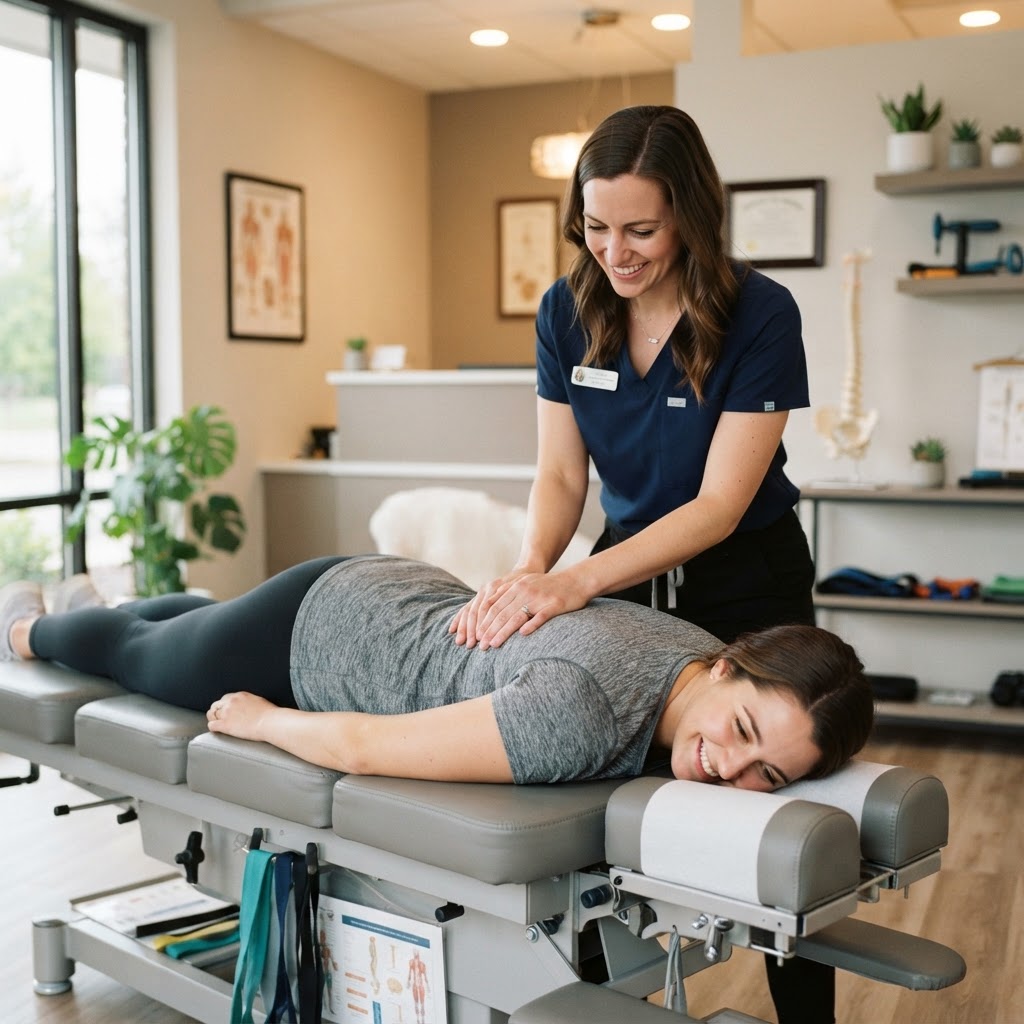
Can I See a Chiropractor Without Insurance? Costs & Options
Can I See a Chiropractor Without Insurance? Your Guide to Out-of-Pocket Care in the Inland Empire
TL;DR
- Yes, you can absolutely see a chiropractor without insurance. Most clinics, including Integrated Medical & Chiropractic Centers (IMCC), offer self-pay or cash-pay options for patients.
- Out-of-pocket costs are often comparable to specialized co-pays. Many patients find that paying directly is more affordable and transparent than navigating complex insurance deductibles.
- Integrated care provides better value. By combining chiropractic care with other therapies, you can often address the root cause of pain faster, reducing the total number of visits needed.
Understanding Chiropractic Care Without Insurance
When you are dealing with chronic back pain, a stiff neck, or a sports injury, the last thing you want to worry about is whether your insurance policy covers the treatment you need. A common misconception in Southern California is that chiropractic services are only accessible to those with robust PPO plans. In reality, the chiropractic profession has a long history of providing accessible, direct-to-consumer care that doesn't require an insurance middleman.
At Integrated Medical & Chiropractic Centers (IMCC), we have served the Inland Empire community since 1952. Over the last seven decades, we have seen the healthcare landscape shift significantly. We understand that many residents in Riverside County and San Bernardino County may be self-employed, between jobs, or have high-deductible plans that make "using insurance" more expensive than paying directly. Our philosophy is to treat every patient like family, regardless of their insurance status, ensuring that high-quality wellness remains within reach for everyone from Corona to Temecula.
The Real Cost of Seeing a Chiropractor Out-of-Pocket
One of the most frequent questions we hear at our locations is: "How much will this cost me today?" While prices vary based on the complexity of your condition, out-of-pocket chiropractic care is generally one of the most cost-effective medical interventions available.
The Initial Consultation and Examination
Your first visit is usually the most comprehensive. It involves a detailed health history, a physical examination, and often a diagnostic assessment to determine the source of your pain. When paying out-of-pocket, this initial investment ensures that your chiropractic adjustment is tailored to your specific biomechanical needs.
Follow-Up Treatments
Subsequent visits are typically lower in cost than the initial exam. Many patients in the Inland Empire find that the cost of a single session is similar to the price of a high-tier specialist co-pay. Because chiropractors focus on non-invasive techniques, you avoid the heavy costs associated with prescription drugs, repeated imaging, or outpatient surgical facility fees.
Transparency and Predictability
One of the greatest benefits of seeing a chiropractor without insurance is price transparency. You know the cost upfront, with no "surprise" bills arriving in the mail three months later. At IMCC, we pride ourselves on clear communication regarding treatment plans and costs, so you can make informed decisions about your health budget.
Why Some Patients Choose to Skip Insurance Entirely
Even patients who have insurance coverage often choose the self-pay route for chiropractic care. There are several strategic reasons for this:
- No Limits on Care: Insurance companies often place arbitrary caps on the number of visits allowed per year. By paying out-of-pocket, you and your provider—rather than an insurance adjuster—decide how much care is necessary for your recovery.
- No Referrals Needed: You don't have to wait weeks for a primary care physician to write a referral. You can schedule an appointment directly and get relief immediately.
- HSA and FSA Eligibility: Most Health Savings Accounts (HSA) and Flexible Spending Accounts (FSA) allow you to use pre-tax dollars for chiropractic adjustments, physical therapy, and even acupuncture.
- Focus on Wellness, Not Just Sickness: Insurance is often designed for "crisis care." Self-pay allows you to utilize chiropractic for preventative wellness, maintaining your spinal health to avoid future injuries.
The Integrated Advantage: Getting More for Your Money
When you visit one of our 10 locations across the Inland Empire—including Riverside, Chino, and Wildomar—you aren't just getting a quick adjustment. We believe in an integrated approach that combines Western medical expertise with proven alternative therapies. This model is actually more cost-effective for the uninsured patient.
Instead of driving to three different offices for different treatments, IMCC offers a "one-stop-shop" for recovery. Under one roof, you can access physical therapy, massage therapy, and even advanced technologies like shockwave therapy. By coordinating these treatments, our team helps you recover faster, which means fewer visits and less money spent in the long run.
How IMCC Supports the Inland Empire Community
Since 1952, Integrated Medical & Chiropractic Centers has been a staple of the Southern California healthcare community. We have grown to 10 convenient locations to ensure that whether you are in Hemet, Lake Elsinore, Murrieta, or San Bernardino, expert care is just a short drive away.
Our integrated team includes medical doctors, chiropractors, and therapists who work together. This means that if your back pain requires more than just an adjustment—perhaps spinal decompression or even medical weight loss to reduce pressure on your joints—we have the expertise to provide it. We treat our patients like family, meaning we will always work with you to find a treatment plan that fits both your physical needs and your financial reality.
Take the First Step Toward Pain-Free Living
Don't let the lack of insurance coverage keep you in pain. Your health is your most valuable asset, and investing in non-invasive, integrated care is one of the smartest decisions you can make. Whether you’re dealing with a recent injury or chronic discomfort, our team is here to help you get back to the activities you love in the Inland Empire.
Ready to discuss your options? You can book a consultation today or call us at 1-800-595-2447. Find a location near you and discover why thousands of Southern California residents have trusted IMCC with their wellness for over 70 years.
FAQ: Chiropractic Care and Insurance
Do I need a doctor's referral to see a chiropractor if I'm paying cash?
No. In the state of California, chiropractors are considered primary-contact providers. This means you can walk into any of our clinics and contact us for an exam without needing a note from a general practitioner, saving you the time and cost of an extra office visit.
Can I use my HSA or FSA card for chiropractic visits?
Yes, in most cases. Chiropractic care is a qualified medical expense under IRS guidelines. Using your HSA or FSA card at IMCC is a great way to use pre-tax dollars to cover your chiropractic adjustment or other therapeutic services.
How many sessions will I need if I'm paying out-of-pocket?
Every body is different. During your initial consultation, our providers will create a customized treatment plan. Our goal is always to get you back to full function as quickly and efficiently as possible, utilizing an integrated approach to maximize every session.
Does IMCC offer payment plans for larger treatment programs?
We understand that health expenses can be unexpected. Many of our Inland Empire locations offer flexible options to help make your care more manageable. We encourage you to speak with our front desk staff during your first visit to discuss the best way to structure your payments.
Is chiropractic care cheaper than traditional medical treatment for back pain?
Studies consistently show that chiropractic care is a highly cost-effective alternative to traditional medical routes that involve surgery or long-term medication use. By focusing on non-invasive physical therapy and adjustments, you avoid the high costs of hospitalizations and pharmaceutical dependencies.