
What Is Chiropractic Subluxation and Does It Matter?
TL;DR
- Definition: A chiropractic subluxation is a spinal misalignment that causes nerve interference and reduces body function.
- Impact: Left untreated, it can lead to chronic pain, reduced mobility, and a variety of systemic health issues.
- Solution: Yes, it matters—correcting subluxations through integrated care restores your body’s natural ability to heal and perform.
Introduction
If you have ever felt a nagging ache in your lower back or a persistent stiffness in your neck that just won't go away, you may have encountered the term "subluxation." In the world of holistic health, this term is frequently discussed, yet it often remains a mystery to the average patient. At its simplest, a subluxation refers to a spinal bone that has moved out of its proper alignment, creating a cascade of issues that affect more than just your skeletal structure. Since 1952, Integrated Medical & Chiropractic Centers (IMCC) has been helping residents across the Inland Empire understand these nuances of spinal health, providing a bridge between traditional wisdom and modern medical science.
Understanding subluxation is the first step toward reclaiming your vitality. It is not just about a bone being "out of place"; it is about the functional relationship between your spine and your central nervous system. When your spine is misaligned, your entire body’s communication network is compromised. Whether you are a long-time resident of Riverside or new to the Temecula area, understanding how these misalignments impact your daily life is crucial for long-term wellness. This guide will dive deep into what a subluxation really is, why it matters for your health, and how our integrated approach can help you find lasting relief.
What Exactly Is a Chiropractic Subluxation?
To understand a chiropractic subluxation, it helps to distinguish it from the medical definition of the word. In a strictly medical or orthopedic sense, a subluxation is a partial dislocation of a joint—a significant structural injury. However, in chiropractic care, we use the term "Vertebral Subluxation Complex" to describe a functional imbalance. This occurs when one or more of the vertebrae in your spine lose their normal position or motion, which then irritates or puts pressure on the surrounding spinal nerves.
This isn't just a physical bone issue; it is a neurological one. Think of your nervous system as a high-speed fiber-optic cable running through your spine. When a vertebra shifts—even slightly—it’s like putting a kink in that cable or causing static on a radio station. The signal from your brain cannot reach your organs and tissues with 100% clarity. Over time, this interference leads to what chiropractors call "dis-ease"—a state where the body is no longer functioning at its optimal capacity.
The Five Components of Subluxation
Chiropractors look at subluxation through five distinct lenses:
- Spinal Kinesiology: The loss of normal motion or position of the spinal bones.
- Neuropathophysiology: The abnormal function of the nervous system (nerve irritation or compression).
- Myopathology: The abnormal function of the muscles, such as spasms or atrophy.
- Histopathology: Abnormal soft tissue changes, including inflammation and swelling around the joint.
- Pathophysiology: The long-term degeneration of the joint, often leading to bone spurs or arthritis.
Does Subluxation Really Matter for Your Health?
The short answer is a resounding yes. If you live in the Inland Empire and lead an active lifestyle—whether hiking in Murrieta or commuting through Corona CA—your spine is the foundation of every movement you make. But the importance of subluxation goes far beyond movement. Because your nervous system controls every cell, tissue, and organ in your body, a subluxation in your neck could potentially contribute to headaches, while one in your lower back might affect digestive health or leg strength.
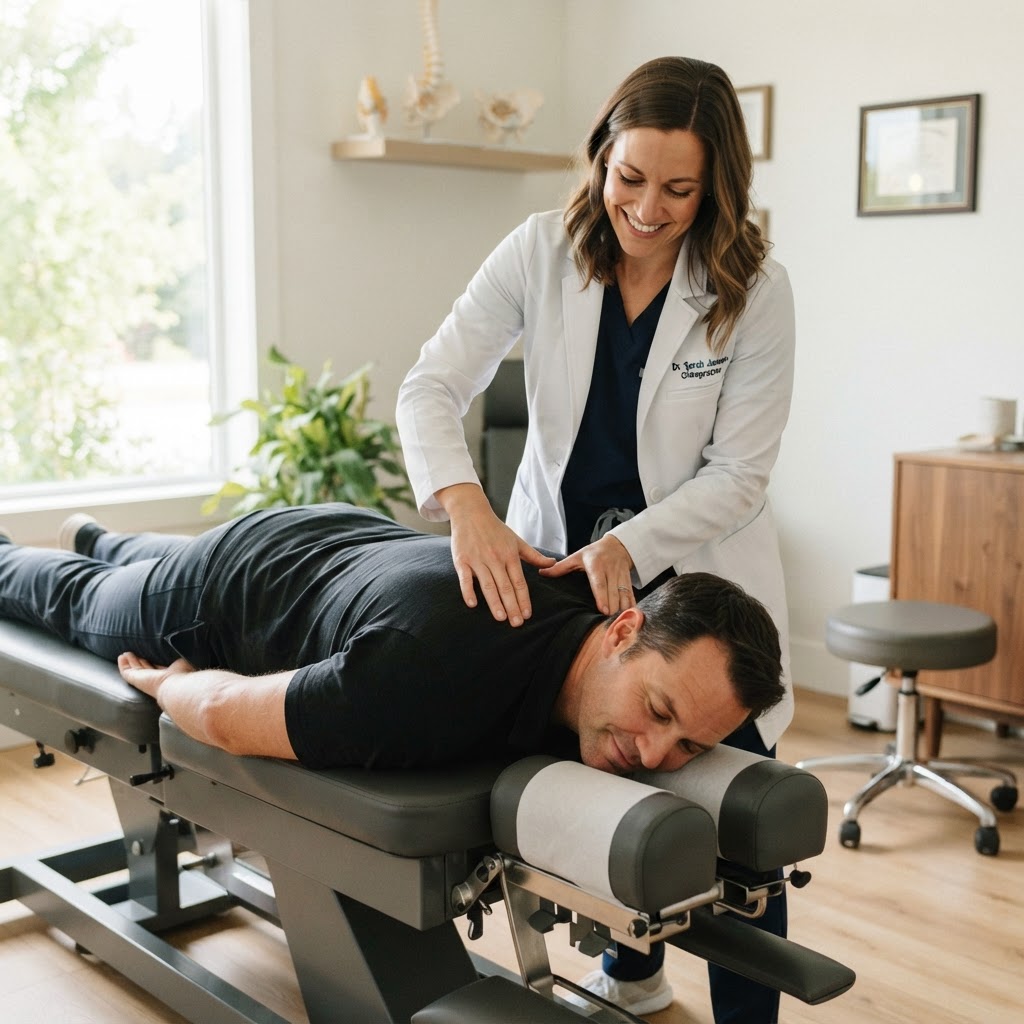
When a chiropractic adjustment is performed, the goal is not simply to "crack the back" for temporary relief. The objective is to remove the interference to the nervous system. By restoring proper alignment, we allow the body’s innate healing intelligence to work without obstruction. This is why many patients notice improvements in their sleep, energy levels, and immune function after starting a care plan, even if they originally sought help only for back pain. Ignoring a subluxation is like ignoring a "check engine" light in your car; the vehicle might still run for a while, but eventually, the underlying dysfunction will lead to a more costly and painful breakdown.
The Three Ts: What Causes Subluxations?
Subluxations don't happen in a vacuum. Our providers at IMCC often educate patients on the "Three Ts"—the primary stressors that lead to spinal misalignments in our modern Southern California lifestyle.
1. Trauma
This is the most obvious cause. Macro-traumas include car accidents, falls, or sports injuries. However, micro-traumas are even more common. These are the repetitive stresses of daily life, such as sitting at a desk in San Bernardino for eight hours a day, looking down at a smartphone ("tech neck"), or lifting heavy boxes incorrectly. Over time, these small stresses add up, pulling the spine out of alignment.
2. Toxins
It might surprise you that what you eat and breathe can affect your spine. When your body is overloaded with toxins—from processed foods, pollution, or smoking—it creates a state of internal inflammation. This inflammation can cause muscles to contract and tighten, which in turn can pull vertebrae out of their proper position.
3. Thoughts (Stress)
Emotional stress is perhaps the most frequent cause of subluxations. When we are stressed, our bodies enter a "fight or flight" mode, causing the muscles in our neck and shoulders to tense up. This chronic tension acts like a constant tug-of-war on the spine, eventually leading to structural shifts that require professional intervention.
How IMCC Can Help You Find Balance
At Integrated Medical & Chiropractic Centers, we don't believe in a one-size-fits-all solution. Since we opened our first location in 1952, our philosophy has been to treat every patient like a member of our own family. We recognize that a subluxation is often just one piece of a larger health puzzle. That is why we offer a truly integrated approach that combines the best of Western medicine with proven alternative therapies.
When you visit one of our locations in cities like Riverside, Chino, or Hemet, your journey begins with a comprehensive assessment. If we identify subluxations, our team doesn't just stop at an adjustment. We may integrate physical therapy to strengthen the supporting muscles, or recommend spinal decompression for patients dealing with disc issues.
For those seeking a holistic boost, we offer acupuncture and massage therapy to address the "Toxins" and "Thoughts" components of the Three Ts. We even provide medical weight loss programs to reduce the physical load on your spine. With 10 locations across Riverside County and San Bernardino County, expert care is always just a short drive away. We are proud to be the Inland Empire's trusted partner in health for over 70 years.
Ready to Align Your Health?
Don't let a hidden subluxation dictate your quality of life. Whether you are dealing with chronic pain or simply want to ensure your body is functioning at its peak, the team at IMCC is here to guide you. Our integrated model ensures that you receive a personalized care plan designed specifically for your body’s needs. Contact us today at 1-800-595-2447 or schedule an appointment online to start your journey toward a pain-free, vibrant life. We look forward to welcoming you into our family!
Frequently Asked Questions
Can I tell if I have a subluxation without a doctor?
While some subluxations cause obvious symptoms like pain or limited range of motion, many are "silent." Just as you can't feel high blood pressure or a small cavity, you may not feel a subluxation in its early stages. This is why regular check-ups with a chiropractor are essential for preventative health.
How long does it take to fix a subluxation?
There is no set timeline, as every body is different. Factors include how long the subluxation has been present, your age, your activity level, and your overall health. Some patients feel immediate relief after a few sessions, while others require a longer course of integrated care to stabilize the spine and retrain the muscles.
Does a chiropractic adjustment hurt?
In most cases, an adjustment is painless and often brings an immediate sense of relief. You might hear a "popping" sound, which is simply the release of gas bubbles from the joint space. Our providers are highly skilled in various techniques, from gentle instrument-assisted adjustments to traditional manual methods, ensuring your comfort at all times.
Are subluxations permanent if not treated?
If left uncorrected, the body will attempt to stabilize the area by creating scar tissue and bone spurs. This is the process of spinal degeneration (arthritis). While we can almost always improve a patient's condition, it is much easier to correct a subluxation early before permanent structural changes occur in the bone and soft tissue.
Why does IMCC use an integrated approach for subluxations?
We use an integrated approach because the spine does not exist in isolation. By combining chiropractic with physical therapy and medical oversight, we address the bone, the nerve, and the muscle simultaneously. This leads to faster recovery times and results that last longer than treating the spine alone.